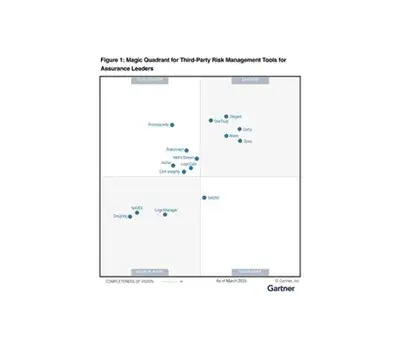

Third-party risk is ever-growing, causing more and more organizations to explore the potential to automate third-party risk management.
As the business landscape grows more complex and competitive, companies seek to outsource many non-core elements. But this complex landscape brings increasing risk — and the prevalence of third-party outsourcing, digitalization and complex supply chains only exacerbates the threats.
Against this background — and with organizations' increasing reliance on third-party vendors, the drive to automate third-party risk management becomes increasingly pressing. Regulations such as the German Supply Chain Act and the EU Corporate Sustainability Due Diligence Directive only compound this need.
To mitigate the risk of fines and reputational damage, you must be aware of the growing list of third-party vulnerabilities:
Supply chain challenges; a global supply chain can make your ability to deliver less reliable, especially in times of crisis
Potential exposure to human rights abuses, including issues like modern slavery
Risk of association with poor environmental, social or governance (ESG) practices via your third- and fourth-party suppliers
A third-party risk assessment is the term given to the due diligence you do to assess the risk a third party might pose to your organization. It looks at the third party’s processes and governance and enables you to build a comprehensive picture of the risk they may carry.
But complex supply chains can make clear visibility across your value chain difficult and third-party risk assessments challenging. The number of suppliers most companies have (some global organizations work with hundreds of thousands) makes the work needed to continually assess third-party risk almost impossible to realize.
Increasing numbers of businesses are looking at third-party risk assessment automation to make risk management simpler, faster and more effective.
What is automation in risk management, and why does it matter? Why should you automate third-party risk assessment? There are a number of compelling reasons:
It’s clear that automated controls can make third-party risk management quicker, cheaper and more robust.
If you want to go ahead with third-party risk management automation, what steps should you take?
If you are looking to automate third-party risk management, there are some common characteristics that the best third-party risk management automation tools share:
Look out for these in the third-party risk automation solutions you shortlist.
Do you want to enjoy the benefits of automating third-party risk management; efficiently assessing, monitoring and mitigating the risks your third-party relationships pose? If so, Diligent’s third-party risk software can provide the solution you need. Find out more about how Diligent Third-Party Risk Management can help.